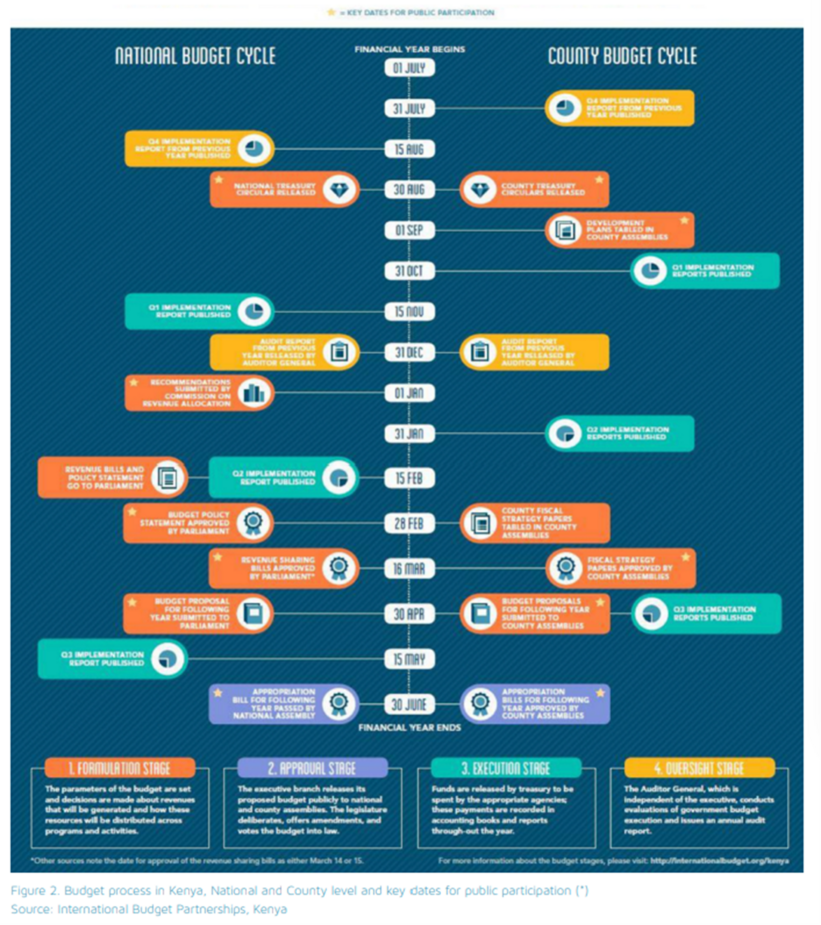
Recently, as One For All alliance, we have been reflecting on effective advocacy and activities that can increase national and local public budgets for water, sanitation, and hygiene (WASH). Its a key part of our strategy to influence these. We explored the most successful strategies and how they might be applied in challenging environments.
Published on: 08/04/2025
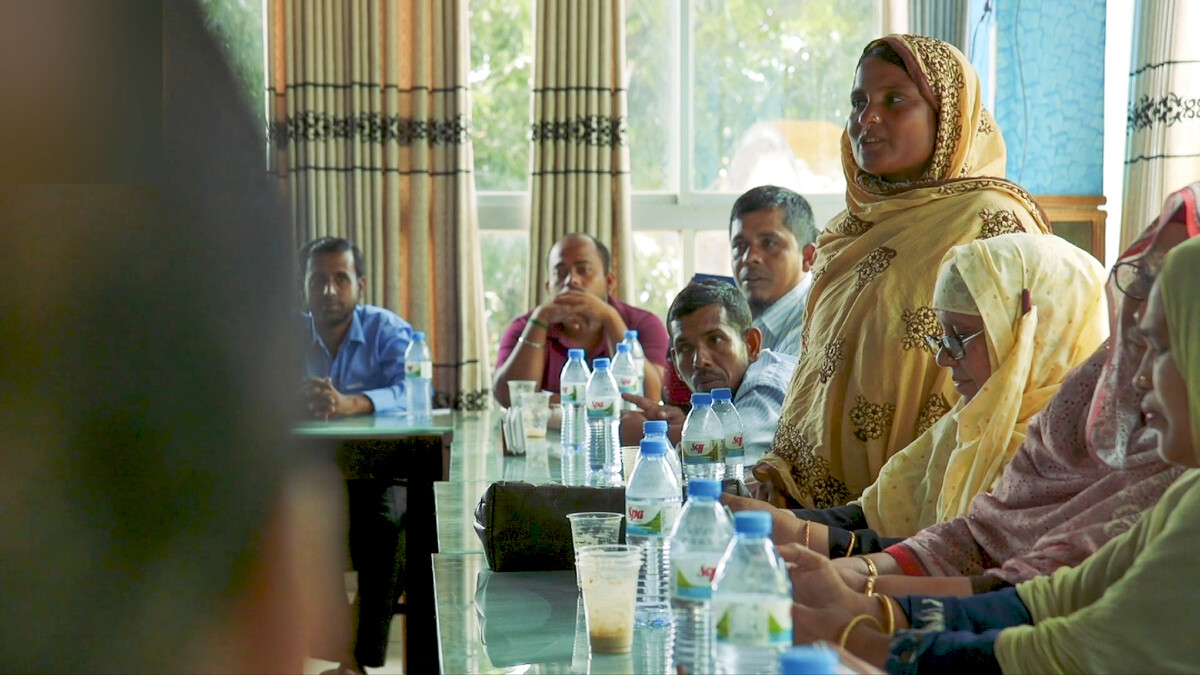
Local civil society organisations (CSOs) and communities can influence local budgets to increase funding for water and sanitation. We’ve seen this happen in many places and often quite quickly. We can look back at the experiences from the Watershed Programme, where CSOs in Kenya and Bangladesh were instrumental in increasing local government budgets.
In Kenya, the approach led by CESPAD involved identifying local champions—both from the community and the local government. These budget champions, through collaboration and self-education, enhanced citizen engagement during local budget discussions. One notable approach was involving DJ Victor Juma and the popular Bus Radio programme to discuss water-related issues. The programme featured call-ins, community polls, and discussions between citizens and local government officials. This initiative aimed to improve transparency and accountability in the budget process. As a result, it helped raise public awareness leading to increased allocations for water and sanitation projects.
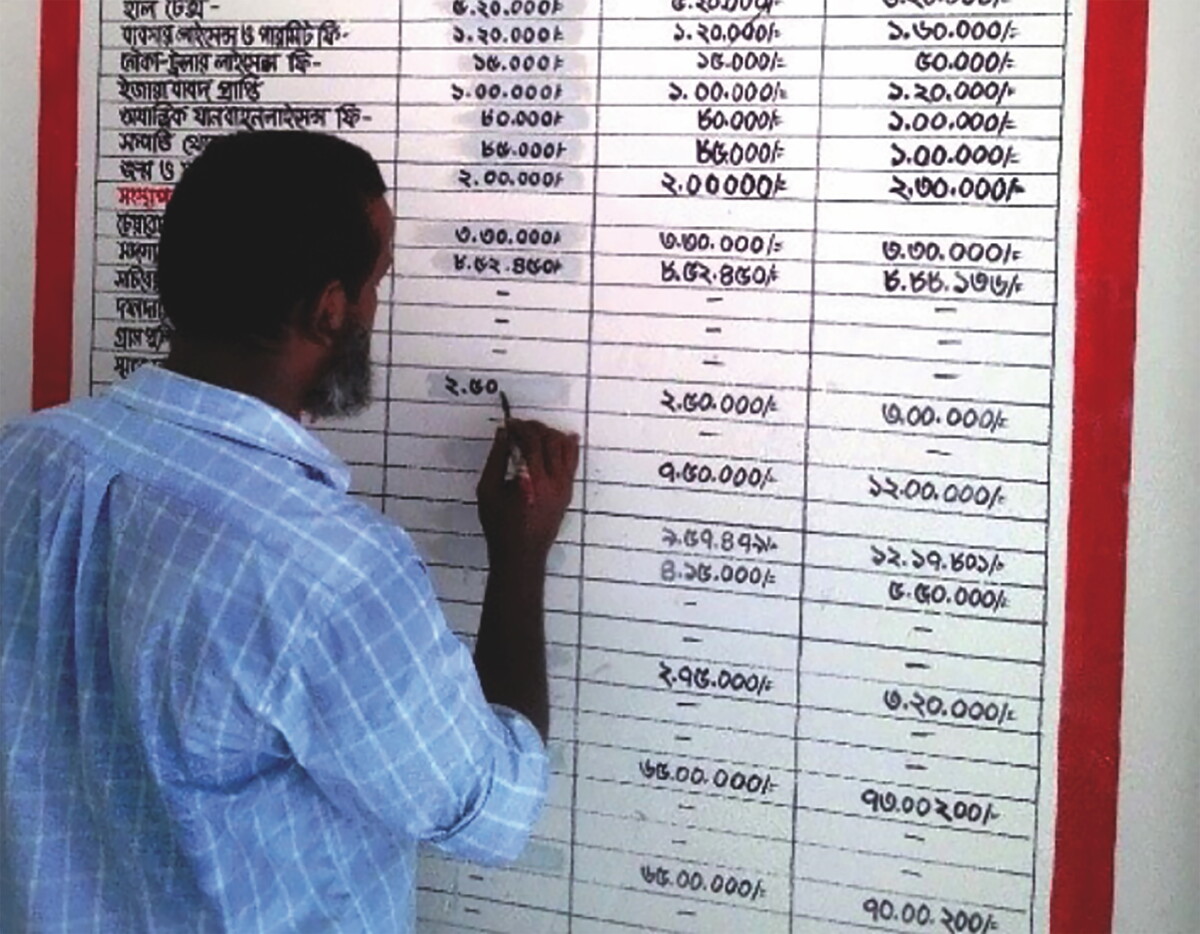
Budget tracking in Bangladesh. Credit: DORP.
Both examples show a rapid impact of grassroots advocacy on public finance, particularly in underfunded sectors like sanitation and water.
Identifying the best entry points for advocacy and the right strategies —whether at the national or local level—is critical. For example, in countries like Sierra Leone, where districts lack a fixed budget for WASH, local-level advocacy is crucial for securing allocations. However, in countries like Nicaragua and Bolivia, where allocations already exist, advocacy may focus more on improving spending efficiency or securing additional resources at the national level. The development of agreed plans can be an important strategy to link stakeholders and get behind government priorities.
A significant part of our reflection on how this has been working revolved around the use of external resources to catalyse additional local funds for water projects. Insights from Ethiopia’s WASH SDG programme in the Oromia region showed how leveraging funds from external sources could raise the total investment for water projects by 33-43 %, with contributions both from the government and the community. However, this approach faced challenges due to the inflationary pressures in the region. For example, community contributions originally pledged in US dollars became insufficient because of inflation, leading to financial shortfalls.
We also see something we might call “anti-leverage”. Our intent (and part of the Theory of Change of our organisation) is to attract crowd funding to a district through master plans and finance strategies. However, some countries, like Ethiopia, apply equity formulas at the national level to ensure that support is distributed fairly. This means that NGOs, and in particular their budgets, will always be redirected to where the gaps are. This feedback loop creates a type of ‘anti-leverage’ against our efforts to mobilise public finance in areas where NGOs are working. It will become very difficult for districts with a good plan to actually mobilise resources for that plan.
We are also concerned about the loan conditionalities imposed by institutions like the IMF and the World Bank. Besides spending a large portion of the public budget on servicing loans, the conditionalities imposed by lenders in some countries directly hinder governments' ability to allocate funds for essential public services such as water and sanitation.
National Poverty Reduction Strategy Papers (NPRS), which are developed in consultation with governments, financial institutions, and some level of civil society participation, typically include poverty reduction targets. However, these documents are focused on broader financial stability with a key aim of ensuring countries can pay back their loans, often resulting in austerity measures that can negatively impact public services, including water and sanitation. Greater engagement from civil society in these processes could help influence how these loans are structured, ensuring more resources are directed towards essential public services.
There was a call for more in-depth analysis of how master planning for WASH, implemented in countries like Ghana, Colombia and Rwanda, can be scaled up or improved to attract more sustainable funding from both domestic and international sources. However, there are also increasing examples of successful resource mobilisation at the local level (in Ethiopia and Uganda), which have emerged without a conducive enabling environment, but with highly engaged local leadership.
The central question remains how public finance for water and sanitation can evolve, especially as the role of official development assistance (ODA) shrinks in many countries. The realistic approach is to raise more domestic resources — such as taxes and tariffs — and beyond the water sector itself. This will help fill the gap left by reduced ODA, while developing strategies to ensure these sources are effectively utilised.
At IRC we have strong opinions and we value honest and frank discussion, so you won't be surprised to hear that not all the opinions on this site represent our official policy.