Does decentralisation really deliver better water and services?
Published on: 02/06/2025
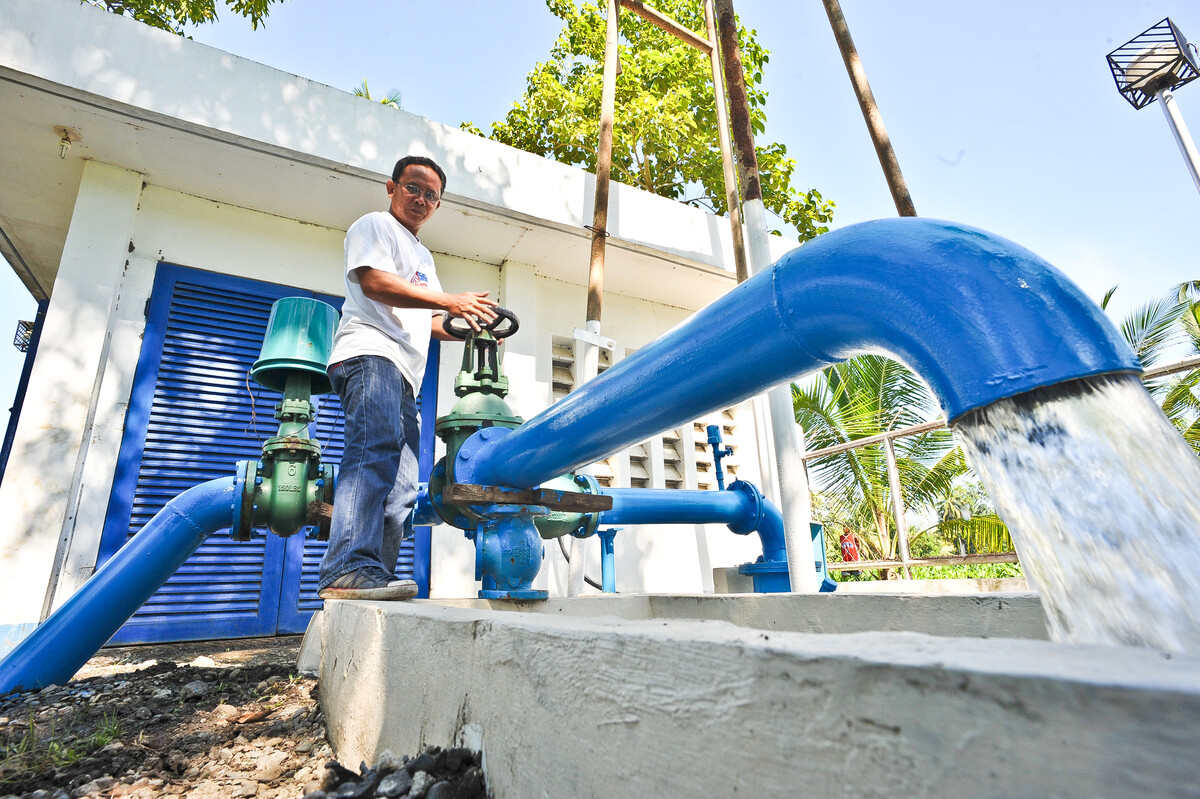
By Catarina Fonseca (IRC), John Garrett (WaterAid) and Phaniso Kalua (Water For People)
Decentralisation has long been championed as a pathway to stronger local governance, more responsive water and sanitation services delivery, and improved accountability. But is fiscal decentralisation in the sector delivering on that promise?
In our recent virtual roundtable, finance experts from WaterAid, Water For People and IRC came together to share research, compare country experiences, and challenge assumptions. This blog captures the key findings and a rich set of reflections from that session.
John Garrett from WaterAid presented fresh findings from a seven-country research initiative examining fiscal decentralisation and its impact on water and sanitation services in Cambodia, Ghana, Mali, Mozambique, Nepal, Timor-Leste, and Uganda. The study assessed both central-to-local financial transfers and local revenue generation, with an additional focus on urban sanitation. Here are the key takeaways:
Phaniso Kalua from Water For People shared experiences from Rwanda and Malawi, with a focus on how fiscal decentralisation plays out in the WFP “Everyone Forever” model.
Experts challenged the default assumption that "more decentralisation = better outcomes." Instead, they called for a context-specific approach—one that makes decentralisation “work” rather than dogmatically pursuing it. Decentralisation often exists alongside national utilities, sector ministries, and donor programmes, creating confusion over who’s in charge and what is expected of each actor.
“The real question isn’t ‘is decentralisation good?’ but ‘how do we make it work in context?’”
One recurring tension observed across different contexts was between earmarked funds to the sector from central government transfers (which improve accountability but limit flexibility) and discretionary budgets (which may be diverted away from water and/or sanitation and are not prioritised at local level).
“If local demand for sanitation is weak, is full fiscal decentralisation actually desirable?”
Several speakers echoed the point that weak demand—especially for sanitation—at local level undermines the effectiveness of decentralised funding. Where citizens and councillors don’t ask for sanitation investments, funds tend to be spent elsewhere.
Participants encouraged framing decentralisation not as a standalone reform, but as part of a broader effort to strengthen systems: from public financial management to planning, monitoring, and regulation.
Catarina Fonseca shared a 12-point checklist to assess whether public finance systems are strong enough to support decentralised service delivery. It includes whether donor funds are on-budget, whether budget execution is tracked, and whether water and sanitation are properly coded in the financial system. Spoiler: If less than six are positive, you probably need to fix the system before raising more funds because improving resource mobilisation is unlikely to translate into better local delivery.
Debates on decentralisation need to move away from binary thinking (“decentralised vs centralised”) towards a more pragmatic, systems-based perspective. Although decentralisation can strengthen local democracy and accountability in the delivery of services, it isn’t a magic solution. It can work—but only when the basics are in place: clear mandates, reliable financing, local capacity, and citizen demand.
Next up in our series: Later this month, we will tackle the murky world of de-risking the water sector—a buzzword we hear often, but rarely see clearly defined. Is it just a euphemism for subsidy, or something more?
Image credit: Eric Sales via Water Alternatives
At IRC we have strong opinions and we value honest and frank discussion, so you won't be surprised to hear that not all the opinions on this site represent our official policy.