Health-driven approaches to strengthening WASH systems
Published on: 01/01/2025
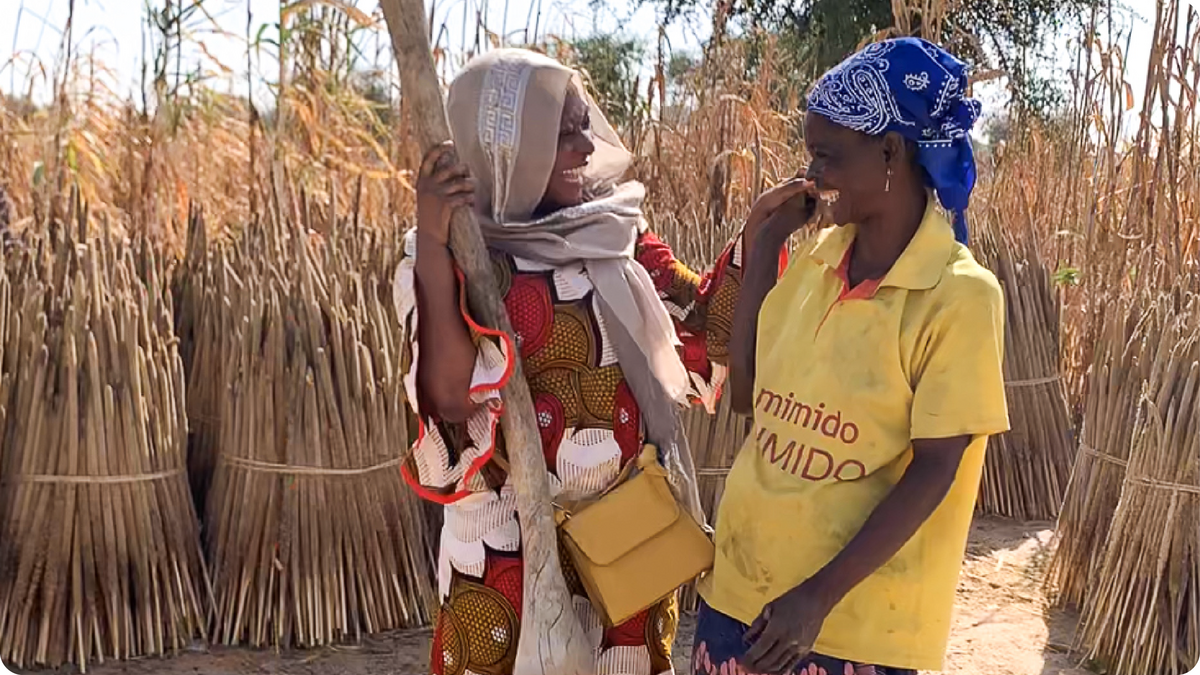
Our collaboration with the Public Hygiene and Environmental Health Directorate of the Ministry of Public Health was a highlight in 2024, showcasing the importance of cross-sectoral collaboration.
It all began in 2022 at a meeting about the consultation framework between the State and water, sanitation and hygiene NGOs. We presented one of the recommendations of the 72nd World Health Assembly: to develop a roadmap for achieving SDG 6 in health facilities, announced that we were ready to support the government in this work, and called on other partners to join us.
To implement the recommendations, the Ministry set up a technical working group composed of government institutions, international institutions (WHO) and development partners (World Vision, WaterAid, IRC).
The development partners provided technical and financial assistance to develop the countrywide 'WASH assessment in healthcare facilities' (HCFs) report. The findings of the report were used in 2024 to develop and validate a national costed roadmap to achieve the 2030 SDG 6 target. Other organisations such as Save the Children and UNICEF subsequently joined to finance the remaining activities.
One of the recommendations in the roadmap was to train technical staff in government and healthcare staff in the facilities. All that remains now is for the roadmap to be adopted by government, so that we can organise a roundtable discussion about how to secure funds for the work.
Despite these achievements, challenges remain. The political situation slowed down the validation of the process, due to a change of lead for the supervisory committee of the state.
Financial constraints also posed a challenge, with activities not fully covered at the start. The Directorate took the lead in securing new funds, including from UNICEF. This shows the increased political leadership and commitment to this work.
Another highlight is the achievement of Niger's first water, sanitation and hygiene accounts, launched in 2023. These gave a complete picture of expenditure for 2021-2022. An institutional framework was established, endorsed by the Ministry of Water, Sanitation and the Environment, and an accounts steering committee and a technical committee was set up by ministerial decree. We joined a working group with representatives from various ministries, the National Institute of Statistics, WHO, UNICEF, and WaterAid.
The results of this first cycle revealed that current funding for water, sanitation, and hygiene is inadequate to meet the government's objectives. We presented findings at the African Water Week in 2024, and are now advocating for the process to be applied country-wide, calling for increased domestic and external funding. The results will be disseminated to inform policy conversations. This work also laid the foundations for our participation in the 2024/2025 GLAAS report.
Find out more about our work in Niger
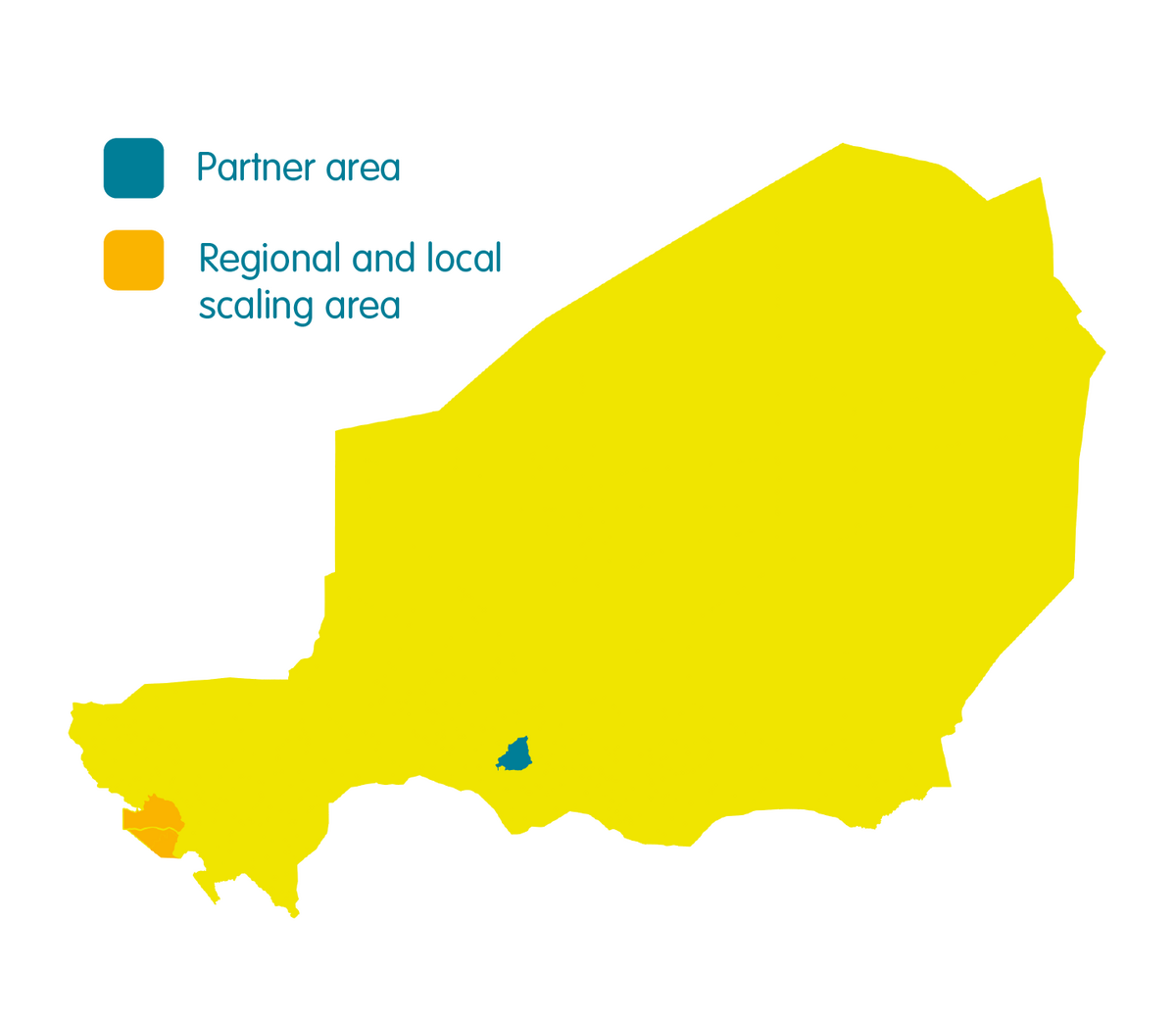 Niger at a glance
Percentage of the country population with at least basic services (JMP)*
49% water | 16% sanitation | 25% hygiene
The context of our work
Featured publications and outputs from 2024
Bangladesh | Burkina Faso | Ethiopia | Ghana | India | Mali | Niger | Rwanda | Uganda
At IRC we have strong opinions and we value honest and frank discussion, so you won't be surprised to hear that not all the opinions on this site represent our official policy.
"It's universally recognised that access to adequate water, hygiene and sanitation services is crucial to quality care and preventing infections in healthcare facilities. If the success factors that have been identified are present or put in place, I'm confident that we'll achieve our objectives. And if I have to pick just one crucial success factor, I'd say political commitment at the highest level, because all the others depend on it."
- Ismael Ousmane
Country Coordinator
IRC Niger