This blog was republished with permission from Sanitation and Water For All
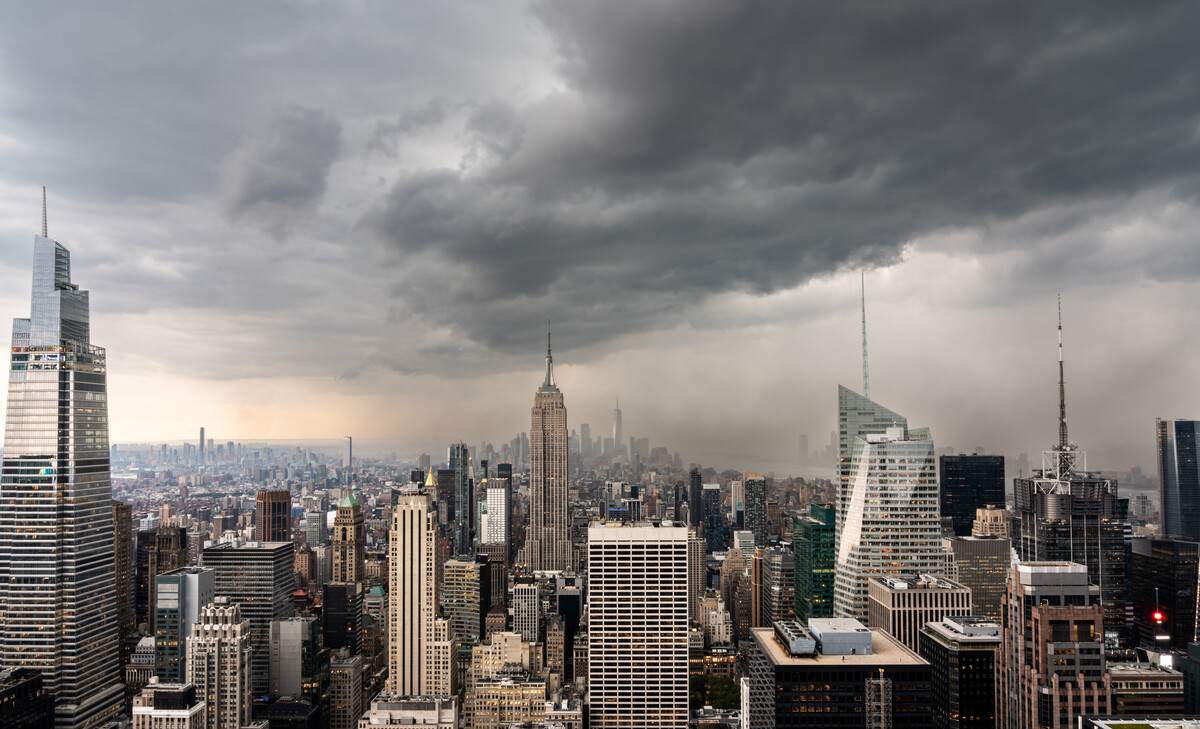
On October 28, 2012, I was in New York to present the annual report to the UN General Assembly in my capacity as the UN Special Rapporteur on the human right to safe drinking water and sanitation. New Yorkers will remember that date because Hurricane Sandy was moving toward the state as well. It was already raining when my plane landed and the anxiety was palpable.
I was staying with a friend whose two-bedroom apartment in Midtown was slowly filling up with other people who worried things would be worse downtown. We filled the bathtub with water in preparation for the electricity going out and losing access to water. We saw a taxi floating in a flooded street and watched downtown go dark when a power station broke down.
The report I was supposed to present to the General Assembly was on integrating non-discrimination and equality into the post-2015 development agenda for water, sanitation and hygiene. Many of us were now stuck in buildings without electricity and access to safe water and sanitation. This was not unlike what I was seeing in communities all over the world, though circumstances were different.
Even though I was not able to present my report--part of the UN building had been damaged by the hurricane–-I was able to make it to a meeting with the Permanent Representative of Hungary to the United Nations, my dear friend Csaba Kőrösi. At the time, he was the co-facilitator of the negotiations around the Sustainable Development Goals (SDGs) and our conversation revolved around how important it would be to have water and sanitation figure prominently in these efforts. Meanwhile the city of New York was dealing with flooded neighbourhoods, a flooded subway system and power outages.
It’s difficult for us humans to truly understand situations that have no direct link to our everyday life.
Later, I came to learn just how much Hurricane Sandy had influenced what became SDG 6—sanitation and water for all. The Prince of Orange, now King Willem-Alexander of the Netherlands, who had long been a powerhouse advocate for water and sanitation issues at the UN, mentioned the experience of Hurricane Sandy for several New York-based diplomats who were involved in creating the Sustainable Development Goals. Many of these diplomats had never experienced the lack of water. During Sandy, they had to go get it---often down hundreds of stairs because elevators weren’t working---for their families to cook with and drink.
It’s difficult for us humans to truly understand situations that have no direct link to our everyday life, but all of a sudden, these top diplomats were experiencing what women in the Global South face daily, for multiple miles, multiple times a day. Sandy created a situation where people in power were doing the work of people without power and it opened their eyes.
One of the points I was making in that 2012 report to the General Assembly was that the human rights to water and sanitation should be integrated into the goals, targets, indicators and monitoring mechanisms of the post-2015 development framework. I proposed that the new development agenda reduce gaps between the “haves” and “have-nots,” while also focusing on the most economically and socially deprived and marginalized members of society.
It’s been 12 years since Hurricane Sandy exposed this reality to the United Nations diplomats based in New York that October. As a result of climate change, storms like Sandy are happening more often in more locations with devastating impacts to families and communities. The inequalities between the rich and poor in terms of water and sanitation access are still too great and we have much work to do.
But what I’ve come to understand clearly since watching the impact of Sandy in New York that October: When people in a position of power become convinced of the importance of a certain topic, change happens. This is what happened with the diplomats in New York and the SDGs, and this is what we are trying to do with the Heads of State Initiatives in making sure that heads of state and heads of government prioritize water and sanitation.
Catarina de Albuquerque is the Chief Executive Officer of Sanitation and Water for All