


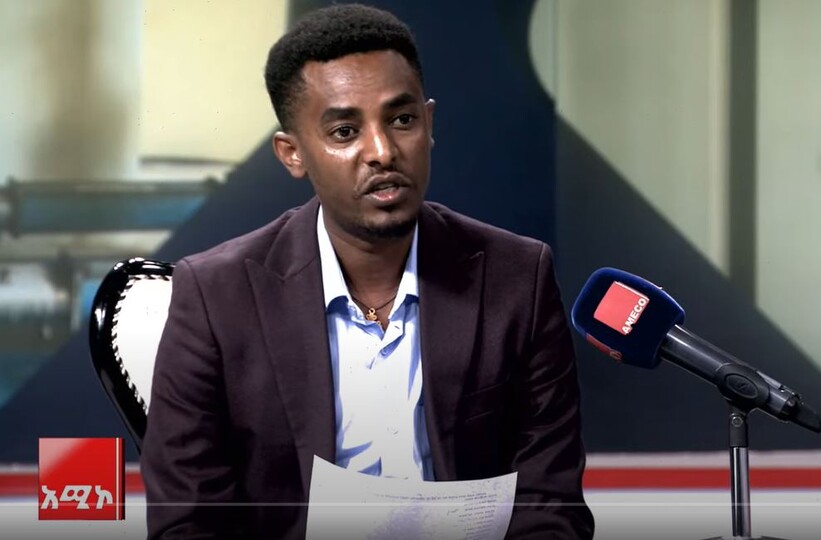
The water crisis is often ignored or poorly reported by the media. We wanted to change that.
Published on: 01/01/2025
If you were responsible for communicating an important cause to people in your country, where would you dream of being featured (apart from going viral on social media!)? Perhaps a national newspaper? Maybe a country-wide radio station? Can you imagine being on TV?! At IRC Ethiopia, our dream came true with eight 30-minute programmes aired on the national TV station, Amhara Television, in partnership with Ethiopia’s Regional Water and Energy Bureau.
In Ethiopia, water is scarce and clean sources rarer still. It’s a crisis that’s often ignored or poorly reported by the media, focusing on the problems and not the solutions. We wanted to change that.
Amhara Television is run by Amhara Media Corporation (AMECO), Ethiopia’s state-owned national broadcaster. It’s a bit like the BBC in the UK or NPO in the Netherlands. AMECO produces news, documentaries, and entertainment, which thousands of Ethiopians read, watch, and listen to.
Ethiopia’s Regional Water and Energy Bureau is the government department responsible for developing and managing water and energy resources sustainably. So an important part of its role is communicating with the public as well as other government departments, about water, sanitation and hygiene.
When we began planning ways to collaborate with the Corporation, the Regional Water and Energy Bureau was considering buying airtime from the TV station to broadcast messages related to water and sanitation. We approached them to suggest that, instead, we partner to create a series of journalistic television programmes, which would encourage a more in-depth and engaging exploration of the issues.
Before we began working together, Tsadiku Alamirew, a journalist at the Corporation, was already making programmes relating to water and sanitation. But they focused on the breakdown or lack of, taps, pumps and pipes – the physical infrastructure. They largely ignored the wider issues and solutions needed to strengthen all parts of the system (from finance to policy).
Together with the Bureau, we identified eight programme topics, ranging from financing to water loss and pollution. We also planned interviews for Tsadiku, including individuals from affected communities or those benefiting from solutions, business leaders from private water companies, experts from international development organisations (such as charities and NGOs), and representatives from both the Bureau and IRC. We then helped prepare Tsadiku for the interviews – providing background information and answering any of his questions. He says:
“Previously, we lacked experience in reporting on water, sanitation and hygiene (WASH). Through producing these programmes, I learned about the necessity of coordination to achieve sustainable services, the major challenges in the sector, and that WASH is not the responsibility of a single organisation. We’ve received positive comments about focusing on these topics, which are vital but not widely reported.”
Now, Tsadiku advocates for collaboration between water, sanitation and hygiene professionals and the media to raise awareness, promote achievements, and seek solutions.
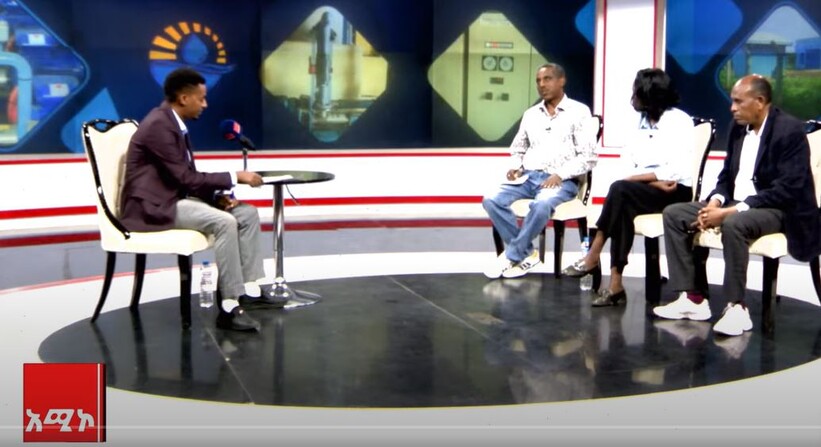
This media initiative is part of our work in three districts of the Amhara region: Dera, Farta, and North Mecha. Since 2019 with our help, the districts have been implementing long-term water, sanitation and hygiene master plans including support to secure funding and resources. These programmes have been an important part of our work to raise awareness among the public, political decision makers, NGOs, the private sector and potential funders.
If you've chanced upon this blog, nice to meet you. We are IRC. We support countries to build strong local and national services, underpinned by resilient systems, that transform lives and build equity, justice and opportunity for all.
You can get a monthly fix of good news stories from our work, and help us to spread the word. Sign up to The Ripple Effect enews and become part of our community.
Through these programmes, I learned about the major challenges in the sector, and that water is not the responsibility of a single organisation.
Tsadiku Alamirew, journalist, Amhara Media Corporation
