


how our master planning work is transforming lives in Uganda
Published on: 01/01/2025
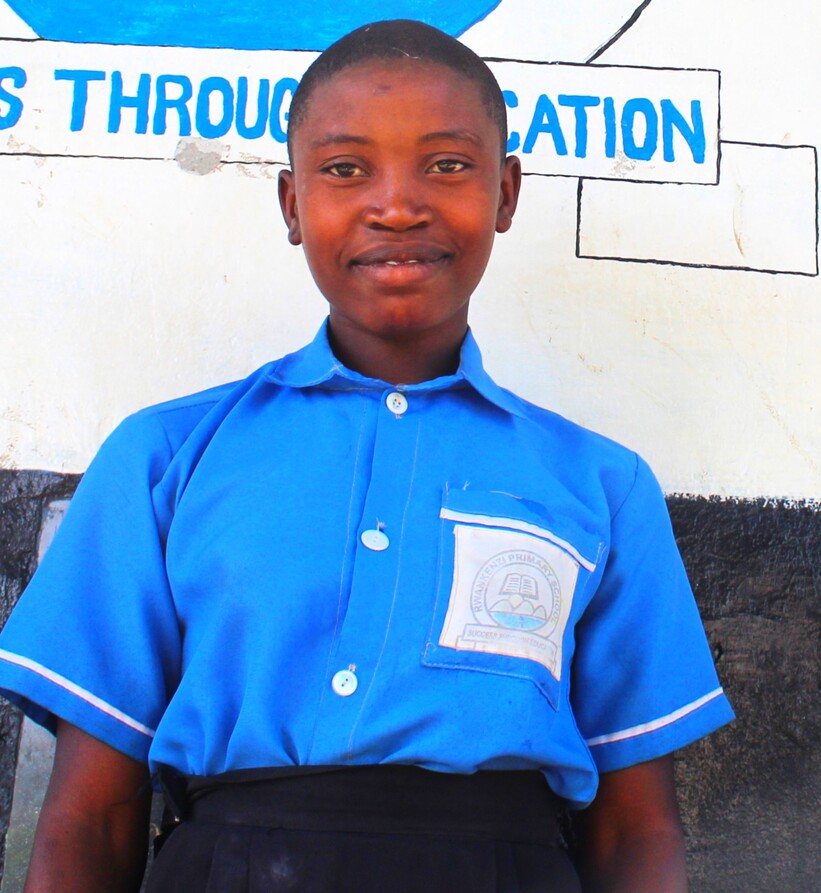
“My name is Ninsiima Joventa. I am 17 years old and in primary six at Rwankenzi Primary School in Kabarole, Uganda.Before the tap and toilets were installed, children would be sick all the time with diarrhoea and typhoid because they didn’t wash their hands.
As the ‘big children’ in the school, we had to walk to the borehole, far outside the school, to fetch water for the kitchen. It was hard work.
And because we didn’t have a girls' toilet, it was embarrassing. Sometimes your period starts when you are at school. It’s not a good feeling. There was no place to get clean or to dispose of our pads properly.
Now, we have a tap for drinking water and a tank where we fetch water for cleaning the classrooms and kitchen utensils.We have a new girls’ toilet and bathroom. When our periods start, we can get soap from a female teacher, and use the basins to clean ourselves. There’s an incinerator where we dispose of our sanitary pads. There are also programmes where they teach us how to make pads that we can wash and reuse.
When I grow up, I want to look neat and dignified and to help people. I am standing for the post of Health Prefect so that I can be an example to other children.”
It’s thanks to something called ‘master planning’ that Joventa and her fellow pupils are able to live healthy, productive lives, free of illness and disease and long walks to boreholes.
Master planning is the largely ‘behind the scenes’ work by IRC, the district government in Kabarole, not-for-profit organisations, local businesses, banks and communities.
It’s not as exciting as the part of the story where Joventa turns on a tap and her face lights up with joy. But that part of the story wouldn’t happen without it.
Master planning is central to our ‘systems strengthening magic’. It helps us all to collaborate to:
This work in the least-served areas of Kabarole district has been so successful that the government’s National Planning Authority will now roll out ‘master planning’ across the entire country. This will be transformational for the country, providing more homes, schools, healthcare facilities and communities with life-giving, life-changing water, sanitation and hygiene.

If you’ve chanced upon this blog, nice to meet you. We are IRC. We support countries to build strong local and national services, underpinned by resilient systems, that transform lives and build equity, justice and opportunity for all.
You can get a monthly fix of good news stories from our work, and help us to spread the word. Sign up to The Ripple Effect enews and become part of our community.
