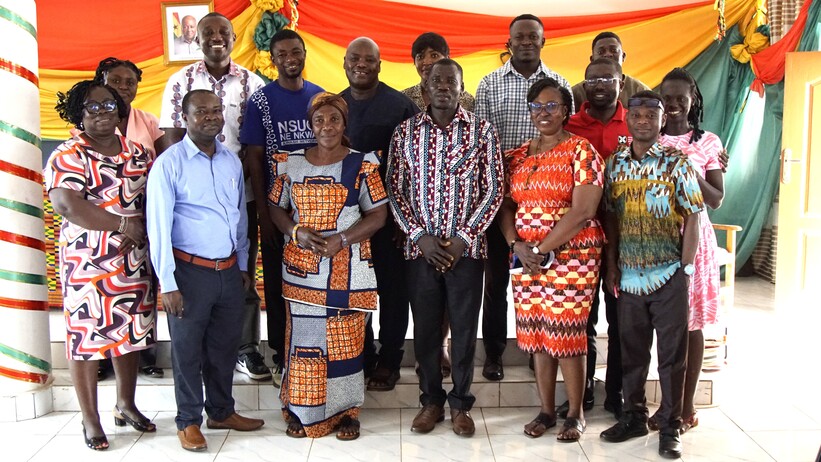
Participants at the Tano North workshop
Tano North and Asutifi North Validate Institutional Strengthening Plans for Stronger WASH Systems
Published on: 14/11/2025
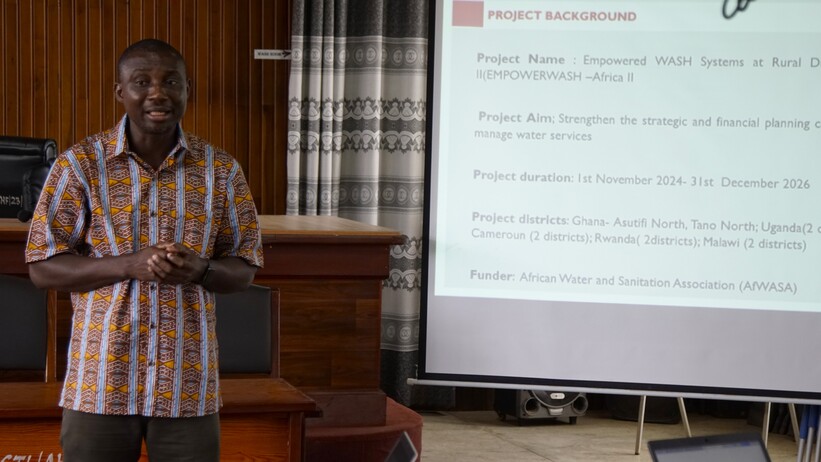
IRC Ghana, in partnership with the African Water and Sanitation Association (AfWASA) and with support from the Conrad N. Hilton Foundation, convened District Validation Workshops for Tano North Municipality and Asutifi North District on 1st–2nd October 2025. These workshops marked a significant milestone in the implementation of the EMPOWERWASH-Africa II project, which aims to strengthen water, sanitation, and hygiene (WASH) systems at the local level.
The workshops provided a platform for district teams to present key findings from the Institutional Strengthening Index (ISI) self-assessments, review and validate their Institutional Strengthening Plans (ISPs), and confirm stakeholder roles and commitments for implementation. Tano North Municipal Planning Officer, Samuel Essandor noted,
"This process has helped us see where we are and where we need to go. The ISPs give us a clear path forward."
During the sessions, the district teams shared performance scores across planning, service delivery, administration, and monitoring. These presentations were followed by small group discussions where participants refined priorities and provided feedback on proposed activities. The plenary dialogue enabled stakeholders to reach consensus on key actions and responsibilities. The workshops concluded with district teams formally endorsing the ISPs and agreeing on next steps for implementation and monitoring.
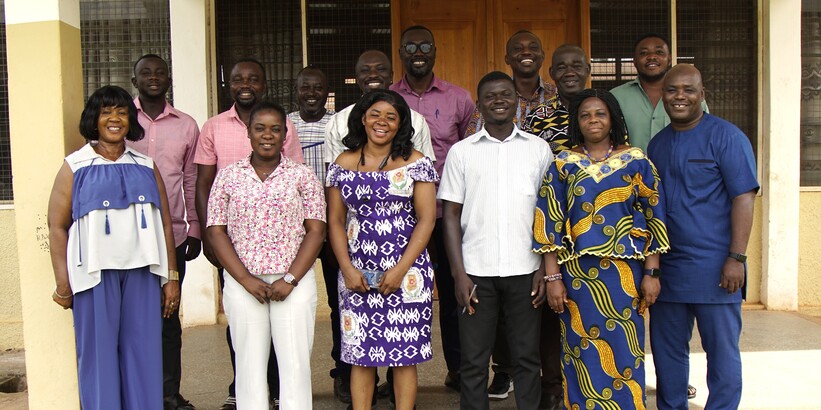
Several systemic challenges were identified during the discussions. These included limited staffing and technical capacity, particularly in sanitation and monitoring; outdated or unenforced WASH by-laws; weak citizen engagement and stakeholder fatigue; and insufficient tools and technology for data collection and service monitoring. Asutifi North District Planning Officer, Bismark Asante remarked,
"We have the commitment, but we need the tools and trained personnel to make real progress."
Low awareness and inconsistent application of WASH policies, along with inadequate financial resources and asset management systems, were also highlighted. To address these issues, the ISPs proposed practical interventions such as recruiting and training sanitation and monitoring personnel, updating and gazetting WASH by-laws, and enhancing stakeholder engagement through inclusive planning and communication.
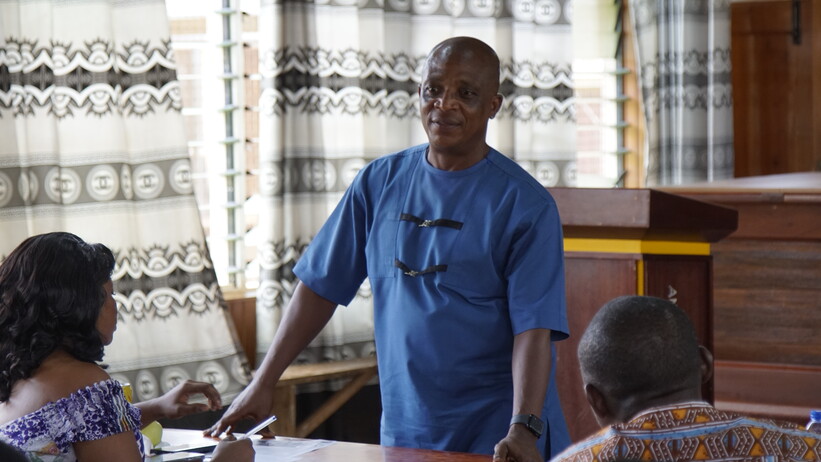
Other proposed actions included procuring digital tools for monitoring and data use, organising orientation sessions on WASH policies and governance, life cycle cost approach and strengthening financial systems and professionalising WASH facility management. IRC Ghana Water Expert, Jeremiah Atengdem in response to a participant emphasised,
"The life cycle cost approach is not just a budgeting tool; it's a way to ensure sustainability and accountability in service delivery."
Reflecting on the workshop's outcomes, The Asutifi North District Coordinating Director, Samuel Badu-Baiden stated,
"Validating these plans is a critical step. It shows our readiness to take ownership and lead the change needed to improve WASH services in our communities."
With the ISPs now validated, the districts are poised to begin implementing priority actions, mobilising resources, and aligning stakeholder efforts. Progress will be monitored and lessons shared through periodic reviews.
These workshops reaffirmed the importance of local leadership, accountability, and strategic planning in achieving sustainable WASH outcomes. IRC Ghana and its partners remain committed to supporting district teams in translating these plans into impactful action.