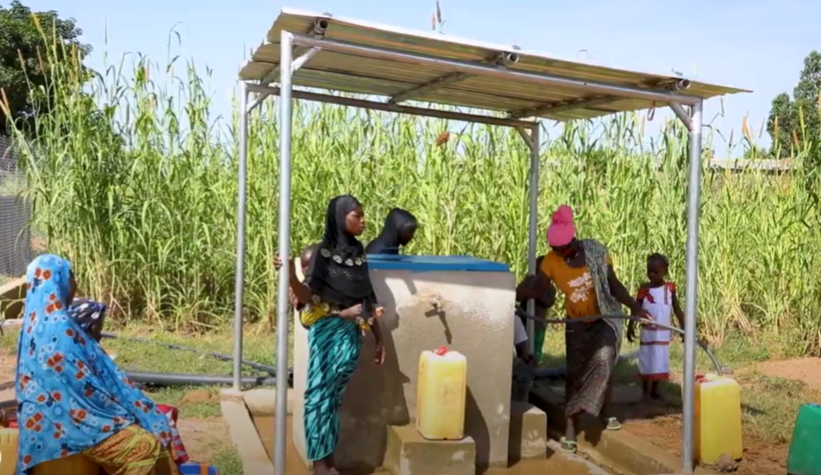
Residents of Zano fetch water from one of the community standpipes (Source: IRC, 2025)
how Faoziatou is teaching the village of Zano to stay healthy
Published on: 01/08/2025
In the small village of Zano, Tenkodogo, Burkina Faso, the day used to begin before dawn. Women and children hurried to the single hand pump, hoping to fill their containers before the long queue formed.
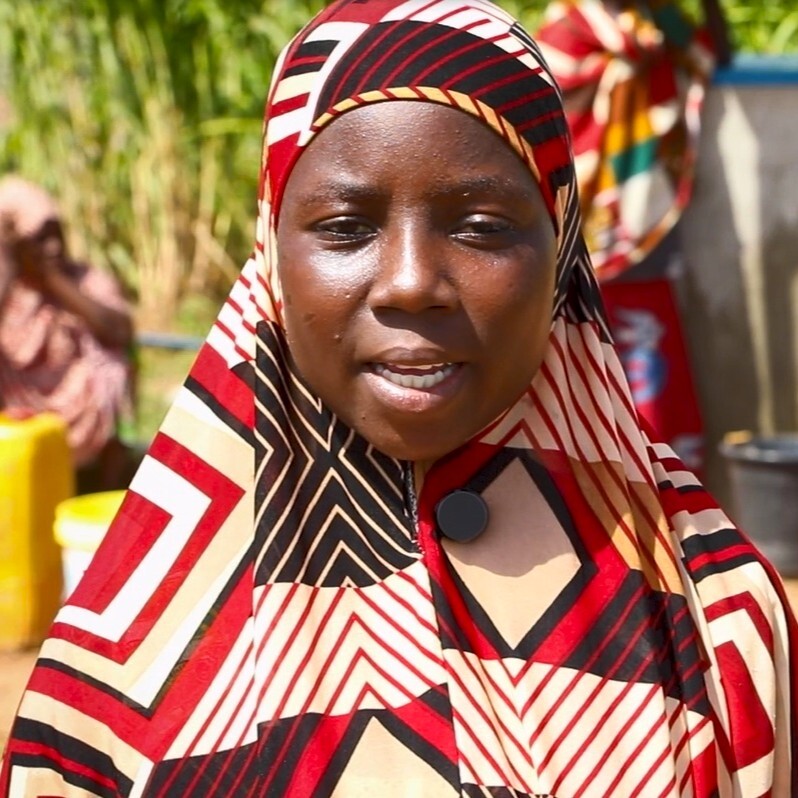
“The water came out of the pump too slowly,” recalls Mariam Samandoulgou, a local resident. She and others like her often gave up and went home with less than they needed.
That meant hard choices: less drinking water for the family, and sometimes none left for handwashing or cleaning. Disease spread easily.
Everything changed when the old pump was rebuilt into a solar-powered water system. Today, water flows freely from a tap, not just for now, but for always, for more than 1,500 residents.
Behind that seemingly simple installation lies decades of systems strengthening work, led by IRC, governments, community leaders, the private sector, civil society organisations and technical experts. This work means that Zano now has a Water Users Association to manage the service, led by Moumouni Kere: “Water is the most important thing,” he says. “Thanks to this facility, our village will develop. And neighbouring villages will also benefit.”
Mariam continues: “Now, we just have to go to the standpipe, and no matter how many people there are, we get water very quickly. Also, the possibility of having private connections in our home is good news. This will help both the men and the women. From now on, even if we come home from the fields late at night, we won’t have to worry about having water.”
At the nearby health centre, Head Nurse Karim Sawadogo has seen the difference. “We’ve noticed a decrease in illnesses caused by drinking unclean water. We attribute this to this project, which has increased people’s drinking water consumption.”
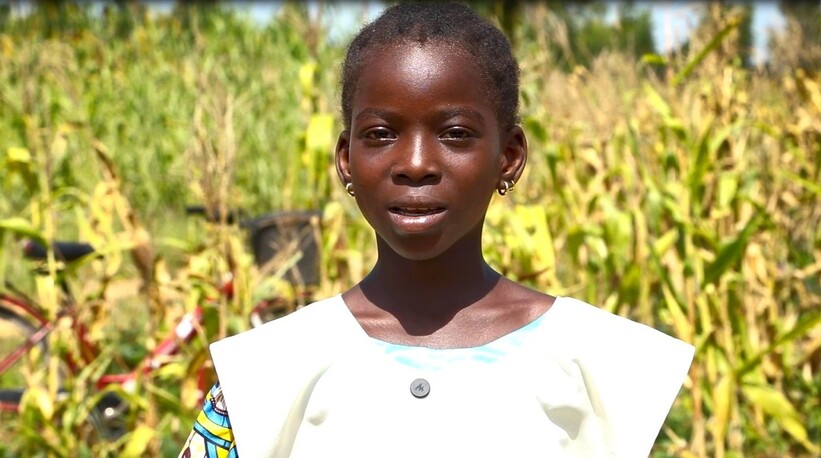
It’s not only adults leading change. Young students like Faoziatou Ouedraogo - who comes from a neighbouring village of Zano - are teaching fellow pupils and neighbours how to wash hands and stay healthy. In five schools in Tenkodogo, nearly 1,800 students have learned how clean water protects health, and why handwashing saves lives. Faoziatou says: “We hope that after our visit pupils will adopt the hygiene practices we demonstrated, and that in turn, they share these practices with those around them.”
At a community demonstration, Faoziatou smiles as she shows a group of younger children how to rub their hands together, soap between every finger. The crowd copies her movements. Change, quite literally, is in their hands.
Your support helps make stories like this possible. If you haven’t already, we hope you’ll consider making a donation.
Find out what’s so special about systems?
If you’ve chanced upon this blog, nice to meet you. We are IRC. We support countries to build strong local and national services, underpinned by resilient systems, that transform lives and build equity, justice and opportunity for all.
You can get a monthly fix of good news stories from our work, and help us to spread the word. Sign up to The Ripple Effect enews and become part of our community.
We've noticed a decrease in illnesses caused by drinking unclean water. We attribute this to this project, which has increased people's drinking water consumption
Karim Sawadogo, Head Nurse
Thanks to this facility, our village will develop. And neighbouring villages will also benefit.
Moumouni Kere, Chair Water Users Association