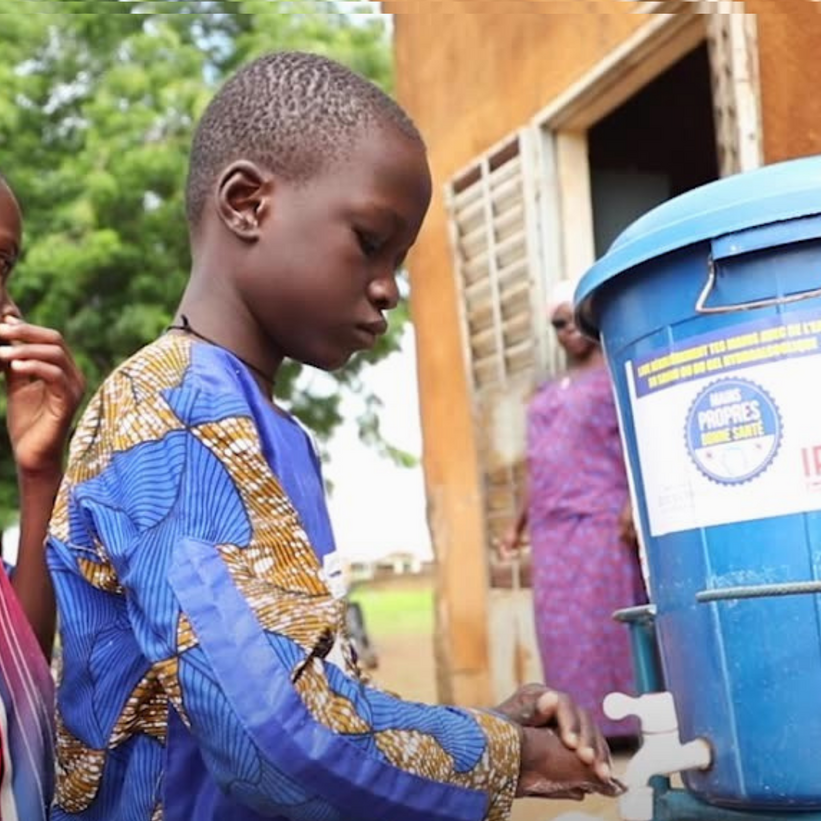
Joachim washing his hands at school
A simple act, a big impact
Published on: 12/01/2024
Washing our hands with soap and water is such a regular habit that we hardly think about it. When was the last time you wondered, "How do I know how and why to do that?" It feels instinctive: but it's as a result of education about hygiene and how to avoid getting ill; the passing on and reinforcing of that knowledge; and easy access to handwashing facilities. But what if you don't have those things in place?
For Joachim Zampaligre and his family – and others like them in Tenkodogo, Burkina Faso – handwashing simply wasn’t a social norm. This was partly because of the lack of running water in their homes. Imagine how much harder it would be to wash your hands if you didn’t have a tap. If you had to pick up a heavy container, dispense the water into a smaller container, and then get someone to pour it onto your hands. And how much less likely you would be to do that, if you weren’t aware of the connection between washing hands and preventing illness and disease?
In Africa, 62% of all deaths are caused by infectious diseases – often spread as a result of poor hygiene practices. And yet 88% of the population in Burkina Faso live without basic hygiene.
Things have now changed for families like Joachim’s, thanks to a systems approach.
The starting point was a plan of action. IRC and its partners worked with the Tenkodogo municipal authorities to develop a master plan to make drinking water, toilets and good hygiene practices available to all residents. This is a long process that involves securing the commitment of lots of people: people with the power or skills to address weaknesses in all areas of the system, from finance to pipes.
What are the components of a WASH system? Find out more here.
Since then, funding from the Church of Jesus Christ of the Latter-Day Saints has enabled IRC, its partners, and the people of Tenkodogo to gradually and systematically realise the plan.
This has involved many different activities, including: working with others to identify which parts of the system are failing and how to fix them; influencing people in power; building skills in communities; installing or improving things like pipes, hand pumps and taps; and a ‘Clean Hands, Good Health’ campaign in schools.
Now, Joachim, his family, and thousands of others have running water from taps connected to the water network. Fewer people are getting sick and passing on disease, because they regularly wash their hands with soap and water.
There’s a long way to go. Many households still lack running water, and families are still not aware of the importance of hand hygiene. According to the World Health Organization, there are still 42 countries where less than half of households have basic handwashing facilities. That’s why the work we do with partners to strengthen all parts of a country’s water, sanitation and hygiene system is so vital – as vital as the clean water that gives us life.
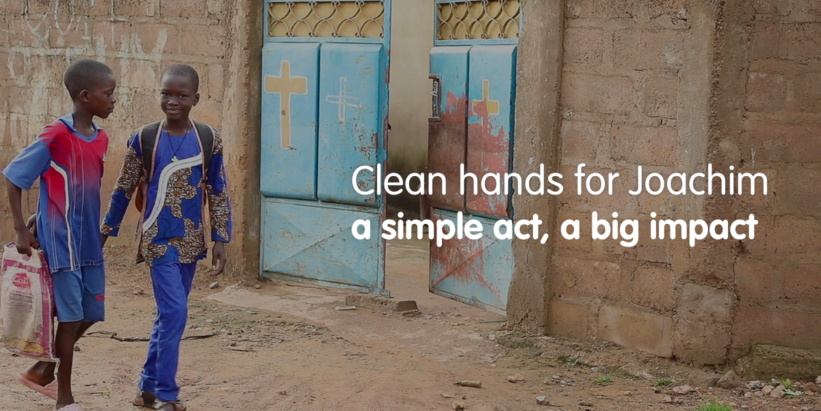
If you've chanced upon this blog, nice to meet you. We are IRC. We support countries to build strong local and national services, underpinned by resilient systems, that transform lives and build equity, justice and opportunity for all.
You can get a monthly fix of good news stories from our work, and help us to spread the word. Sign up to The Ripple Effect enews and become part of our community.
At home, no one gets sick anymore. I showed everyone that you should wash your hands regularly with soap and water, so there are no more illnesses
Joachim Zampaligre, student Kiri Primary School, Tenkodogo