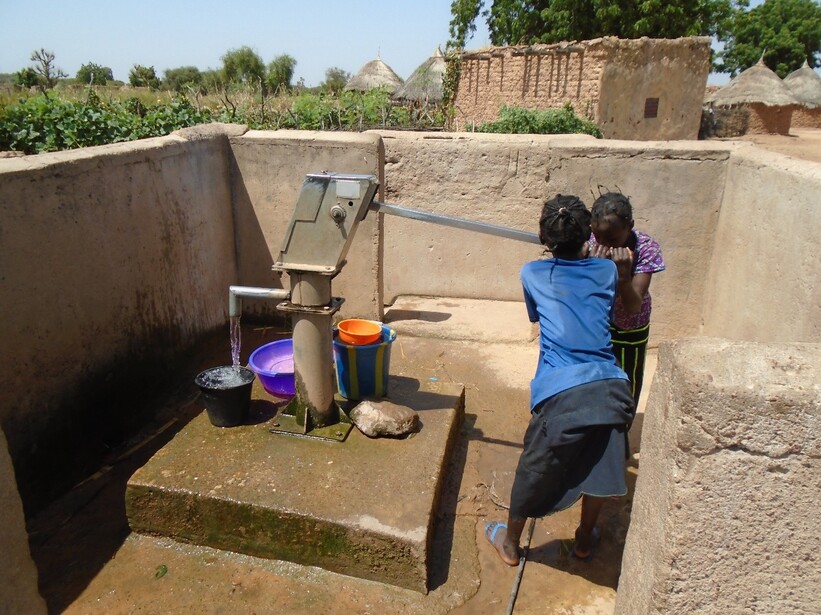
An analysis of Niger's WASH accounts has led to five key recommendations to accelerate progress towards the SDGs.
Published on: 27/11/2025
A recent analysis of Water, Sanitation, and Hygiene (WASH) financial accounts in Niger for the years 2021 and 2022, led by the Ministry of Hydraulics, Sanitation, and the Environment, provides critical insights into sector financing and progress towards national and international goals. The initiative was supported by IRC Sahel. This article summarises the key findings and recommendations from this exercise, specifically for experts in the WASH sector.
The primary objective of the Niger WASH accounts analysis was to create a comprehensive overview of sector expenditure during the specified period. This included:
The scope of the WASH accounts included water supply (urban, rural, and pastoral), hygiene (handwashing facilities, menstrual hygiene kits, awareness campaigns), basic sanitation (latrine facilities), support services, and emergency interventions (water supply, basic sanitation, and hygiene in emergency contexts).
The analysis of the WASH accounts revealed several critical points. Sector expenditure averaged 170 billion FCFA (approximately US$ 300 million) per year, equating to about US$ 12 per capita or 1.9% of GDP. This figure is significantly lower than the health sector expenditure, which amounts to 5% of GDP, and experienced a 6% decrease between 2021 and 2022. This level of funding is insufficient to meet sector goals outlined in the Programme Sectoriel Eau Hygiène et Assainissement (PROSEHA), which is aligned with the Sustainable Development Goals.
Further analysis showed a significant imbalance in expenditure across different services:
This disparity is largely due to user contributions to water and hygiene through tariffs and purchases, highlighting a critical challenge in achieving sanitation targets.
The primary contributors to sector financing are:
In terms of international commitments, the N’gor commitment of allocating at least 0.5% of GDP to hygiene and sanitation was met in 2021 (0.54%) due to household contributions. However, it was not achieved in 2022 (0.48%). Furthermore, the government did not meet the target of allocating 5% of the national budget to WASH, with only 3.5% allocated in 2022.
These financial limitations result in a significant gap between the financial needs of PROSEHA and actual expenditure, particularly for sanitation and hygiene, which have an average funding deficit of 92%. Overall, PROSEHA objectives were 32.65% covered in 2021 and only 22.39% in 2022.
Based on the findings of the analysis of the WASH accounts, five key recommendations are made for the WASH sector in Niger:
These findings and recommendations have several implications for WASH sector experts:
By addressing these challenges and implementing the recommendations, Niger can make significant progress towards achieving its WASH goals and contributing to the Sustainable Development Goals.
The WASH accounts analysis report is available here.