Guest blogger | Senior WASH specialist | Save the Children | Former IRC staff
Follow

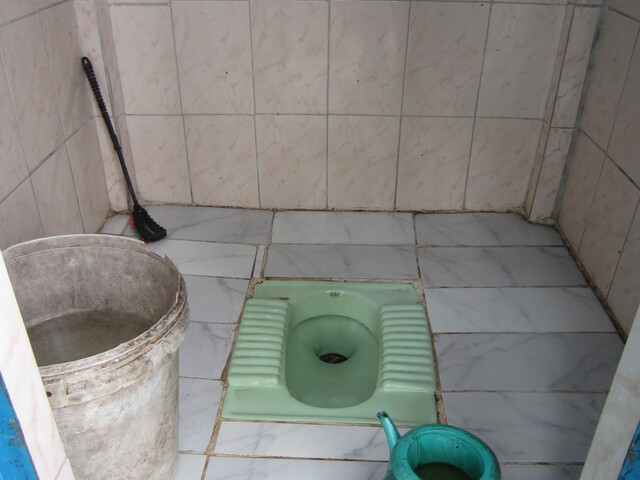
Access to water and sanitation is a basic human right. No one, whatever their circumstances, should be forced to live in conditions where these services are not made available. And yet this is the case for many inmates in overcrowded prisons around the world. Read more...
Humanitarian WASH emergencies outlast the initial phase and turn into longer-term WASH programmes so development and humanitarian aid need to work together. Read more...
We have come a long way, but educating schoolgirls and women remains essential. Read more...
World Vision promotes and provides adapted water and sanitation facilities for the disabled. Read more...
An information guide to water, sanitation and hygiene (WASH) services in schools, health care facilities, the workplace, orphanages, prisons, refugee... Read more...
Three takeaways from a field visit to a rural sanitation project in Burkina Faso. Read more...
The objective of Action Research for Learning was to strengthen the capacities of the selected partners for action research, analysis, reporting and learning. Read more...
On 17 March, IRC made a key presentation on factors that enhance and hinder effective WASH in school programs at the Ministry of Foreign Affairs in The Hague. This was for a Kenyan delegation from Nakuru who were in the Netherlands for the Football for Water programme. Read more...
This is the final report from the Action Research for Learning programme (2013–2015). Read more...
A specially organised side session at the University of North Carolina (UNC), Water and Health Conference in October 2015 focused on WASH away from the home. Read more...
A successful pilot in Ethiopia deserves to be scaled up for health care centres in other parts of the country. Read more...
People with disabilities in developing countries are less likely to attend school, have access to medical services, or have their voices heard in society. Today the world observes International Day of Persons with Disabilities. Read more...
Poster sharing initial conclusions and lessons so far from research on access to sanitation for the disabled in the Northern part of Bangladesh. Read more...
This paper presents the results of a baseline survey on disability-related problems on access and accessibility to sanitation in the BRAC WASH III... Read more...
Stronger advocacy is needed for better water, sanitation and hygiene facilities in schools, health centres, workplaces and prisons. Read more...
On 7 October 2015, UNICEF student team Wageningen organised a seminar 'What is sustainable sanitation in WASH?". Guest speakers were Marielle Snel from IRC, Joshi Deepa professor at Wageningen University, Harold Hoiting from SIMAVI and Luca Peters who represented UNICEF. Read more...
Did you know poverty is both a cause and a consequence of disability? 1 in 5 of poor people in developing countries are disabled. They often lack basic services, including accessible sanitation. At IRC we believe this needs to change. Read more...
Power point presentation on paying more attention to the whole sanitation chain. Putting more focus on leadership for change. Putting more emphasis... Read more...
The new Sustainable Development Goals will not be reached if we do not tackle urban sanitation. This has a serious impact on the health and dignity for all those living in cities, not just the poor. Read more...
IRC Uganda is now a leading member of the Menstrual Hygiene Management (MHM) Coalition in Uganda and is helping to develop MHM indicators. Read more...


