Director | IRC's Global Programme
Follow

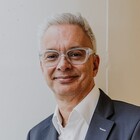
John is Director of IRCs Global Programme and a member of the senior management team. IRC's Global Programme generates and uses evidence - working through partnerships - to drive change at scale in the systems that ultimately deliver water, sanitation and hygiene services at country and local levels.
John is a Briton and European, working from Lodz in Poland where he lives with his family. He has worked for IRC since 2005 and between 2016 and 2019 he was the country director in Ethiopia. He currently represents IRC in the Sanitation and Water for All led Heads of State Initiatives, the executive committee of the Agenda for Change, the Influence team for the One For Alliance, UN-water and the board of the Millennium Water Alliance.
Long-term strategic planning at the district level helps to identify improved service delivery models, system strengthening activities, financing... Read more...
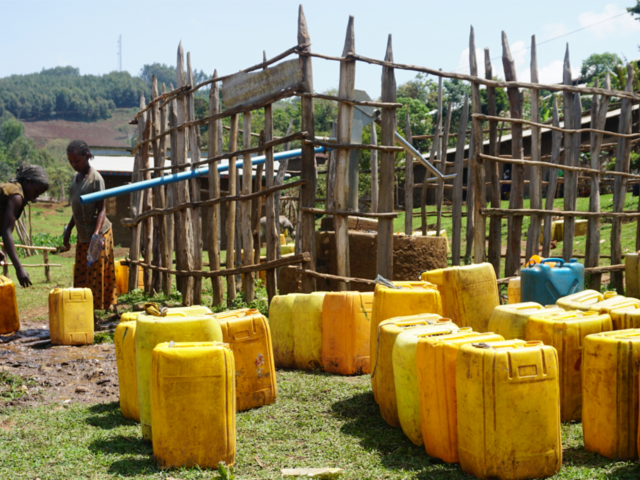
While a high proportion of people In Ethiopian have access to improved water and sanitation services, only a small minority receive services that... Read more...
Building new partnerships and setting clear goals to leverage investment. Read more...
A briefing note on the use of cellular and satellite connected sensors for near-time monitoring of rural water services in Ethiopia. Read more...
Neither rural sustainability checks, nor urban benchmarking frameworks, are entirely suitable for monitoring small town water services. Read more...
Climate resilient WASH is about new ways of working across the traditional humanitarian and development sectors. We went to one of the harshest spots in Ethiopia, and surely in the world, to find out more. Read more...
This publication has been produced by IRC as part of its independent monitoring and knowledge management services to the ONEWASH Plus programme. The... Read more...
When something is broken, we might shout for help and then, if we are lucky, get it fixed. Our kids try this and sometimes they get a response. Something similar happens in water supply. Read more...
The latest experiences in monitoring for sustainability, and next steps for the wider use of relevant tools within the Consolidated WaSH Account (CWA... Read more...
Data was collected on household income, diarrhoeal disease occurrence, water service provision, and sanitation and hygiene services and practices at... Read more...
The Multi-Stakeholder Forum - popularly know as the MSF - is the key annual WaSH sector event in Ethiopia. At the end of 2015, the One WaSH National Program was again in the spotlight. Read more...
Inception phase findings of IRCs work to help strengthen and develop national WASH M&E systems with the National WaSH Coordination Office in... Read more...
Tigray is a fabulous region to visit. A great base for visiting some of the finest tourism sites in Ethiopia. We were looking for something else: databases. More specifically we went to Tigray to find out how the region is making efforts to monitor the provision of water, sanitation and hygiene... Read more...
On the 23 April 2015, a technical discussion was held at the Jupiter hotel in Addis Ababa to debate the findings of a study "Private Sector Landscape for WASH in Ethiopia – Bottlenecks and opportunities" commissioned by UNICEF and undertaken by IRC within the scope of the DFID-funded One WASH Plus... Read more...
Since commencing activities in July 2014, studies are now well underway including a baseline study covering 16 small towns and research on bottlenecks to private sector engagement in WASH. Read more...
This report on Self-supply aims to help fill some of the gaps in our knowledge about the existing performance of traditional wells, especially water... Read more...