Director | IRC's Global Programme
Follow

John is Director of IRCs Global Programme and a member of the senior management team. IRC's Global Programme generates and uses evidence - working through partnerships - to drive change at scale in the systems that ultimately deliver water, sanitation and hygiene services at country and local levels.
John is a Briton and European, working from Lodz in Poland where he lives with his family. He has worked for IRC since 2005 and between 2016 and 2019 he was the country director in Ethiopia. He currently represents IRC in the Sanitation and Water for All led Heads of State Initiatives, the executive committee of the Agenda for Change, the Influence team for the One For Alliance, UN-water and the board of the Millennium Water Alliance.

WASH system strengthening is climate action and WASH must be a core component of climate financing and adaptation strategies. Read more...
Asset management, long-term planning and support to water service providers are important elements of service-delivery models. Read more...
Long-term strategic planning at the district level helps to identify improved service delivery models, system strengthening activities, financing... Read more...
More funding, standardisation of infrastructure designs and requirements, better sector coordination and better knowledge and resources sharing would... Read more...
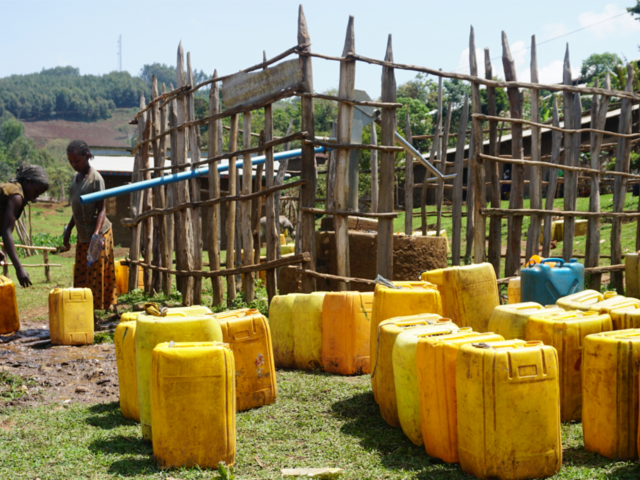
While a high proportion of people In Ethiopian have access to improved water and sanitation services, only a small minority receive services that... Read more...
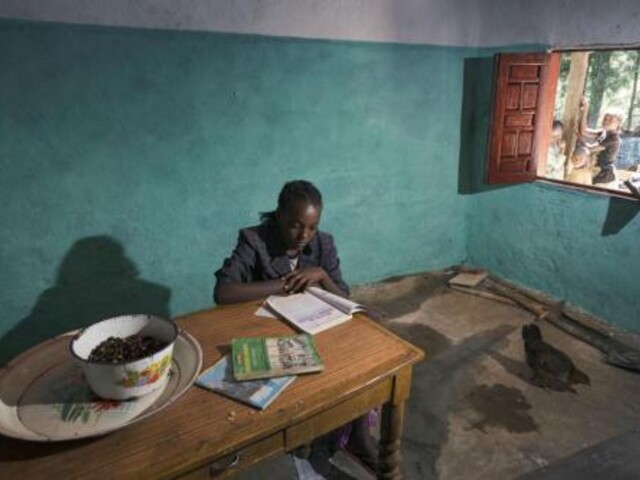
Photographs showcasing that Self-supply can change people's lives. Read more...
The transition from water trucking towards sustainable, utility-led water service models for long-term refugee populations. Read more...
Building new partnerships and setting clear goals to leverage investment. Read more...
How do Sustainable Land Management programmes relate to interventions promoting groundwater utilisation, and how can the benefits of groundwater... Read more...
An approach is developed to assess WASH risks in marginal populations that are poorly understood and served through conventional approaches. Read more...
This report summarises the strengths of the decentralised local systems that deliver services in two locations in Ethiopia, describing key actors,... Read more...
The government's flagship Climate Resilient Water, Sanitation and Hygiene (CR-WASH) initiative focuses on lowland investments in 'resilient' technologies such as deep boreholes and more resilient piped water infrastructure. These seek to displace emergency humanitarian interventions in drought-... Read more...
This paper summarises the different system strengthening initiatives and makes recommendations for joint learning and collaboration. Read more...
This seminar - held at the ILRI campus in Addis Ababa on 25 October 2018 - shared innovative research from the WEEP project on measuring water security in the Ethiopian lowlands. This drew on the study of emotions by the WEEP project team (Cranfield University, Oxfam, IRC WASH, IWMI and the... Read more...
A briefing note on the use of cellular and satellite connected sensors for near-time monitoring of rural water services in Ethiopia. Read more...
Neither rural sustainability checks, nor urban benchmarking frameworks, are entirely suitable for monitoring small town water services. Read more...
A new guideline seeks to professionalise the management of multi-village water supplies in Ethiopia Read more...
A team representing government and NGOs from Ethiopia joined a visit to Ghana to learn about planning for achieving the Sustainable Development Goals for WASH. Read more...