Director | IRC's Global Programme
Follow

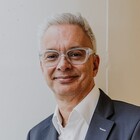
John is Director of IRCs Global Programme and a member of the senior management team. IRC's Global Programme generates and uses evidence - working through partnerships - to drive change at scale in the systems that ultimately deliver water, sanitation and hygiene services at country and local levels.
John is a Briton and European, working from Lodz in Poland where he lives with his family. He has worked for IRC since 2005 and between 2016 and 2019 he was the country director in Ethiopia. He currently represents IRC in the Sanitation and Water for All led Heads of State Initiatives, the executive committee of the Agenda for Change, the Influence team for the One For Alliance, UN-water and the board of the Millennium Water Alliance.
Building new partnerships and setting clear goals to leverage investment. Read more...
Governments that work for water, water providers on the frontline and people who raise their voices and stand up. Read more...
Exploring the links between community activism, service providers and Self-supply. Read more...
Climate won the vote for the theme of this year's World Toilet Day. Read more...
The same capacities that help us adapt to COVID-19 can be used to face climate change. Read more...
How do Sustainable Land Management programmes relate to interventions promoting groundwater utilisation, and how can the benefits of groundwater... Read more...
An approach is developed to assess WASH risks in marginal populations that are poorly understood and served through conventional approaches. Read more...
This report summarises the strengths of the decentralised local systems that deliver services in two locations in Ethiopia, describing key actors,... Read more...
The government's flagship Climate Resilient Water, Sanitation and Hygiene (CR-WASH) initiative focuses on lowland investments in 'resilient' technologies such as deep boreholes and more resilient piped water infrastructure. These seek to displace emergency humanitarian interventions in drought-... Read more...
AfricaSan5 just like a five-year old, reflects a sanitation and hygiene sector that is nowhere near mature, but is growing up fast and is full of ambition. Read more...
This paper summarises the different system strengthening initiatives and makes recommendations for joint learning and collaboration. Read more...
This seminar - held at the ILRI campus in Addis Ababa on 25 October 2018 - shared innovative research from the WEEP project on measuring water security in the Ethiopian lowlands. This drew on the study of emotions by the WEEP project team (Cranfield University, Oxfam, IRC WASH, IWMI and the... Read more...
A briefing note on the use of cellular and satellite connected sensors for near-time monitoring of rural water services in Ethiopia. Read more...
Neither rural sustainability checks, nor urban benchmarking frameworks, are entirely suitable for monitoring small town water services. Read more...
A new guideline seeks to professionalise the management of multi-village water supplies in Ethiopia Read more...
A team representing government and NGOs from Ethiopia joined a visit to Ghana to learn about planning for achieving the Sustainable Development Goals for WASH. Read more...
With water quality at source and point of use a major concern, there is renewed interest in Household Water Treatment and Safe Storage (HWTSS). Read more...
Climate resilient WASH is about new ways of working across the traditional humanitarian and development sectors. We went to one of the harshest spots in Ethiopia, and surely in the world, to find out more. Read more...