Senior programme officer | Change hub
Follow

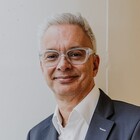
Marieke is a WASH expert with over 18 years of experience in the sector. She has a special interest in small town WASH, participatory strategic planning processes and evidence-based decision making in WASH.
After graduating as an Irrigation and Water Engineer from Wageningen University, Marieke joined IRC as a Junior Professional Officer (JPO) in 2003. As JPO she was stationed with NGO Forum (Bangladesh) and with TREND Group (Ghana). In 2006, she joined the IRC team in the Netherlands.
Marieke has led and participated in action-research studies in Ghana, Ethiopia, Uganda, Bangladesh and Zimbabwe on issues like monitoring sustainable WASH service provision, small town water supply, Integrated Urban Water Management (IUWM), multiple-use water services, and cost recovery and financing.
Marieke has experience in working closely with ministries (e.g. the Ministry of Water Resources, Irrigation and electricity in Ethiopia) and government agencies (e.g. Community Water and Sanitation Agency in Ghana) in identifying and addressing sector challenges. She has supported knowledge management and sector learning processes in various contexts and countries (e.g. support to the establishment and development of Learning Alliance Platforms in Ghana and Ethiopia and the Resource Centre Network Ghana).
Marieke is supporting the Accountability and Adaptation team, responsible for monitoring, with special emphasis on monitoring service level and financial indicators. She is also supporting various action research projects, with special focus on monitoring and sustainability issues. She is leading the development of a District WASH Master Planning Facility.
This report identifies a set of transition pathways reflecting how systems evolve from basic access to meeting safely managed criteria. These... Read more...
The woreda-wide approach (WWA) is a well-established model for improving water, sanitation, and hygiene (WASH) systems at the local level. Its... Read more...
Presentation on the pathways under which "utilitisation" of rural water supply takes place and how challenges can be overcome. Read more...
The WASH Systems Academy has launched a new specialist course on " District planning for sustainable water and sanitation service s" Read more...
Testing approaches to strengthen the sustainability and performance of WASH service delivery systems. Read more...
Under which pathways can the 'utilitisation' of rural water supply take place, which factors drive these processes, what are the strengths and... Read more...
Systems approaches are ongoing processes which take time and require multiple levels of action, both at local as well as at regional and national... Read more...
This report summarises the strengths of the decentralised local systems that deliver services in two locations in Ethiopia, describing key actors,... Read more...
Benchmarks for water services in Mile, Afar and South Ari, SNNPR, and assessments of both the performance of service providers and the performance of... Read more...
The District Strategy for achieving full water coverage (2017 to 2025) provides the framework for the implementation of water activities and services... Read more...
The challenges of small town water supply and the need for systemic change: the case of Gazer town. Read more...
Background paper for the Symposium on Sustainable Water Supply and Sanitation: Strengthening capacity for local governance Read more...
Two years after a district assessment of handpump functionality in Ghana, why have things got worse, rather than better? Read more...
The Community Water and Sanitation Agency (CWSA) in Ghana is developing a framework for assessing and monitoring water services. Read more...