A call for improved policy implementation and coordination of WASH in healthcare facilities in Uganda.
Published on: 22/12/2025
Data from the Ministry of Health indicate that 69% of all healthcare facilities (HCFs) don’t have access to basic water supply, 88% lack basic sanitation services, 54% lack basic hygiene and 72% lack environmental and hand hygiene services. The report also indicates that 21% of all HCFs in Uganda lack basic safe medical waste management. Finally almost all (98%) of HCFs staff did not know of any written guidelines on the Operation and Maintenance (O&M) of WASH facilities in healthcare facilities.
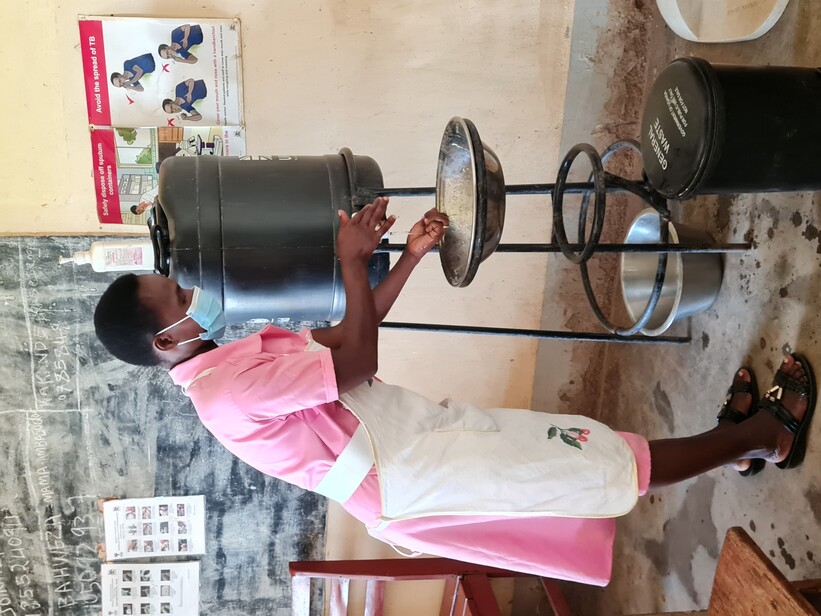
The lack of adequate water, sanitation and hygiene, waste management and environmental cleanliness in healthcare facilities poses a significant health risk to patients and healthcare workers in Uganda, and it seriously impacts quality of care and satisfaction with health services.
It’s against this background that IRC Uganda, member of a consortium led by Water For People together with the Ministry of Water and Environment, Finnish Mondial (AMREF & CARITAS – HEWASA), the Ministry of Health, the Ministry of Education and Sports and UWASNET are implementing a Sanitation and Hygiene Project (Accelerating Access to Improved Sanitation and Hygiene Services using Market-Based Approaches in Uganda) funded by UNOPS in the seven districts of Kayunga, Buikwe, Kamuli, Buyende, Luuka, Kole and Kabarole are facilitating the uptake and use of the “National Guidelines of WASH in Health Care Facilities”.
The consortium’s aim is to: